




Every procedure at Hair Transplant Newcastle is performed by a GMC-registered doctor from first extraction to last graft
Our clinic sits at the heart of Newcastle, a short walk from Central Station and accessible from across the North East
A straight-talking assessment of your hair loss and what is realistically achievable, no hard sell
Your surgeon is committed to your procedure for the entire day, no switching between patients mid-session
Crown thinning is one of the trickier presentations to treat, and one of the most common. It usually begins quietly, as a slightly thinner patch at the top of the head that slowly widens. By the time most patients notice it, the area may have been thinning for several years.
The challenge with crown work is not the procedure itself, but the planning. Crown loss tends to be progressive, the area is difficult to photograph or assess yourself, and the density required to fill a crown convincingly is often higher than patients expect.
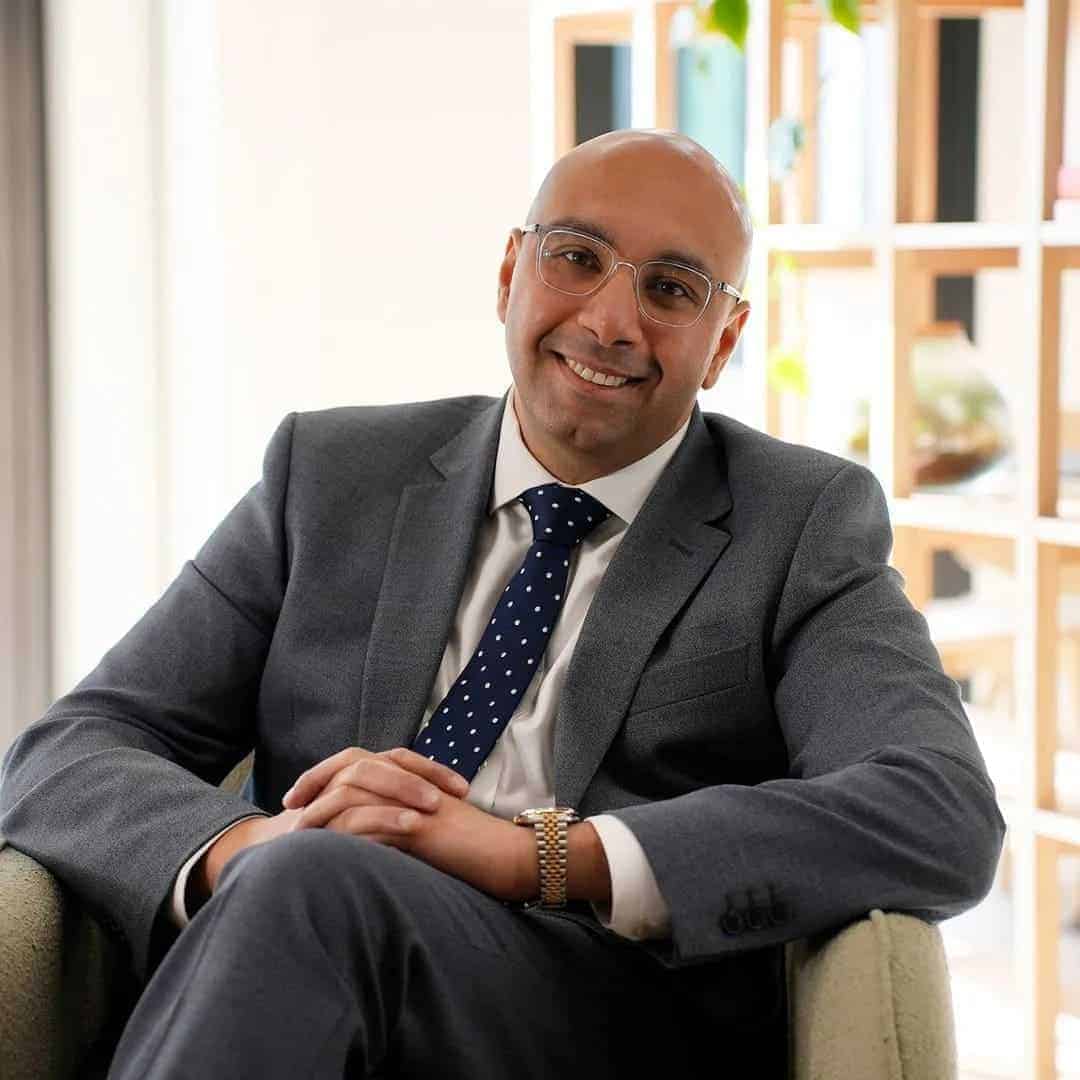
At Hair Transplant Newcastle, crown procedures are approached conservatively and honestly. Dr Aziz Elgindi (GMC: 7450896) and Dr Mohammed Ditta (GMC: 7084372) will give you a realistic assessment of what transplantation can achieve, including the likely future trajectory of your crown loss.
Crown Hair Transplant in Newcastle
The crown sits at the back and top of the scalp. Hair in this area grows in a radial pattern, spreading outward from a central whorl point. Transplanting into the crown requires the surgeon to match that radial growth pattern graft by graft, with each follicle placed at the angle that corresponds to its position relative to the whorl.
When this is done well, the result is natural. When it is not, the hair appears to grow in the wrong direction and the transplanted section is clearly identifiable.
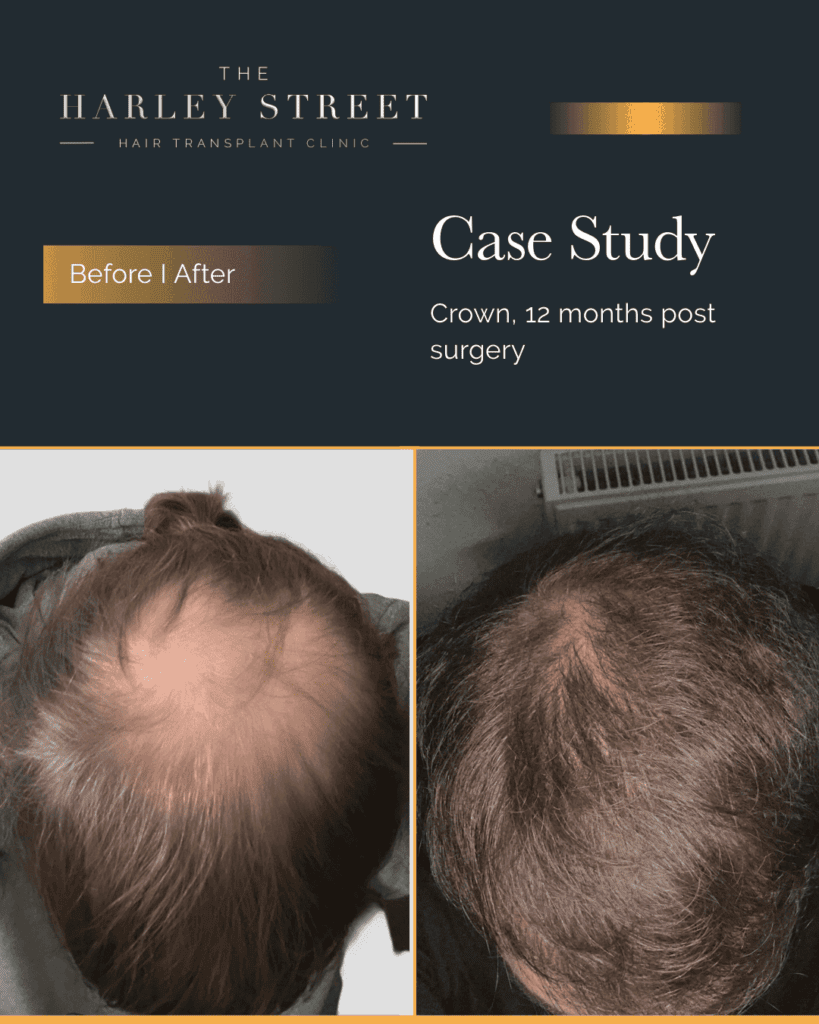
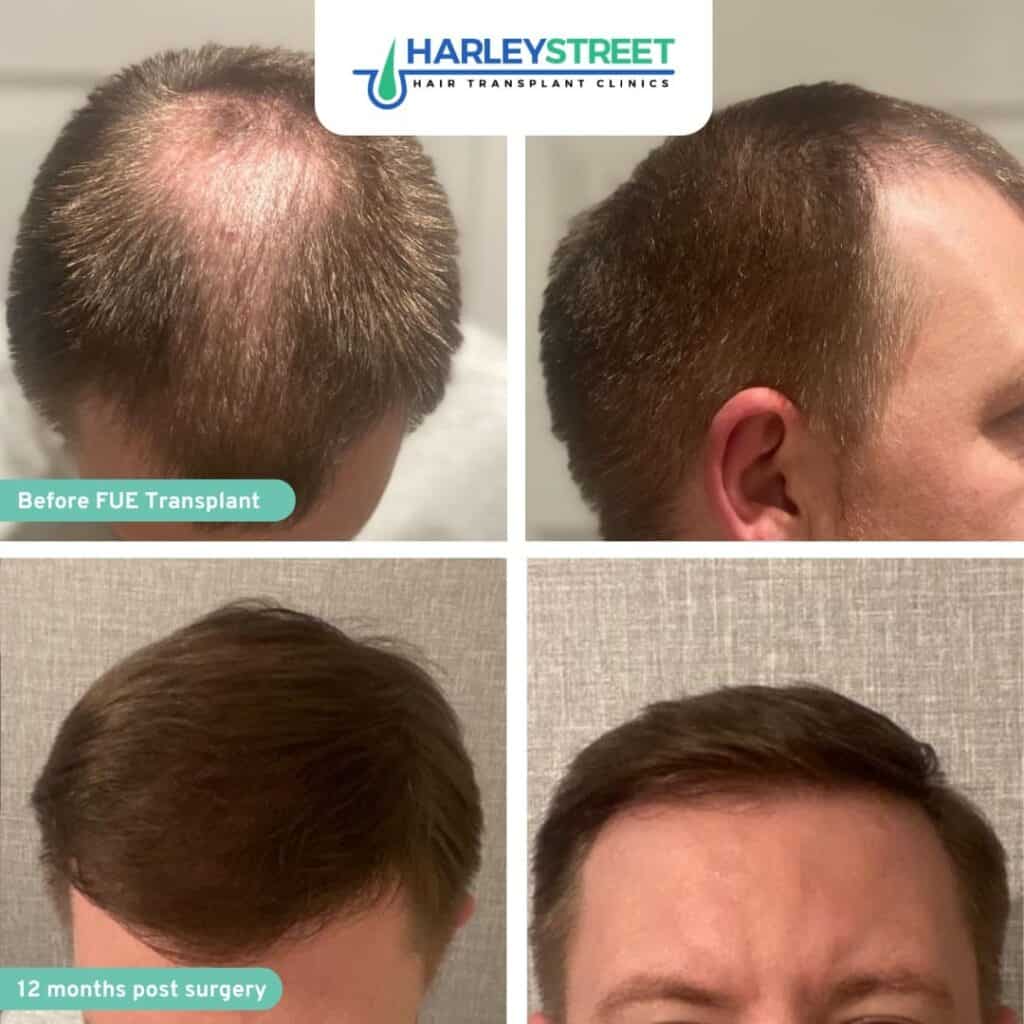
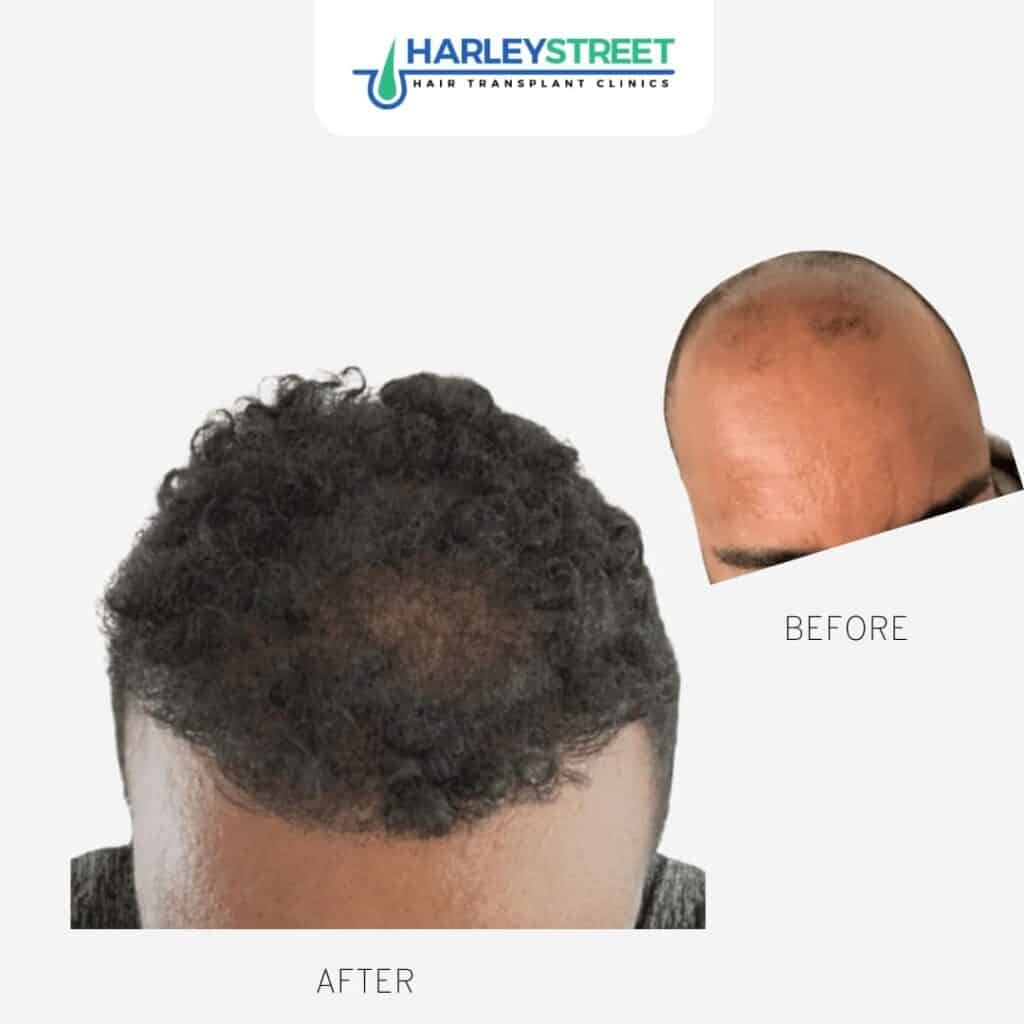
Before and After Crown Hair Transplant Results in Newcastle
A selection of results from patients treated at our Newcastle clinic. All procedures were performed by our GMC-registered surgeons.

Why Crown Procedures Require Extra Planning
Two factors make crown transplantation more complex than frontal hairline work.
The first is graft count. The crown is a wide area with low natural density even in men who have not experienced significant loss. Filling it to a level that looks convincingly dense requires more grafts than most patients anticipate, often 2,000 to 3,500 for a moderate-sized crown area, and up to 4,000 or more for larger ones.
The second is progression. Crown loss typically continues after a transplant, because the surrounding native hairs are still subject to DHT and will miniaturise over time. A patient who has their crown transplanted at 35 may find that the area of thinning has expanded by 45, requiring the transplanted island of density to be extended. A surgeon who does not account for this in the original planning creates a result that will look increasingly odd as the years pass.
This is why donor supply management is particularly important in crown cases. Grafts used on the crown today may not be available for the hairline if it recedes further in future.
Graft Count Estimates for Crown Transplants
- Early crown thinning (small central area): 1,000 to 1,500 grafts
- Moderate crown thinning: 1,500 to 2,500 grafts
- Larger crown area with significant loss: 2,500 to 4,000 grafts
These figures assume the goal is natural-looking density, not maximum coverage of every centimetre of the crown. Your surgeon will assess the specific situation and recommend an approach that makes sense for your age, donor supply, and likely future loss.
Which Technique Is Best for Crown Work?
FUE is the primary technique for crown transplants. DHI is particularly useful when the patient has remaining native hair in the crown area that needs density added around it. The Choi Implanter Pen allows new grafts to be placed without disturbing existing follicles.
Your surgeon will discuss the recommended approach at consultation. Patients requiring maximum single-session graft yield may also ask about FUT.
Recovery
Crown recovery follows the same sequence as other transplant areas. The first two weeks require careful handling of the recipient zone. Gentle washing from day three, avoiding pressure on the area, and sleeping in a position that does not put weight on the crown. Most patients find the crown easier to manage post-procedure than the frontal area because it is less visible day-to-day.
Transplanted hairs shed in weeks two to four. New growth begins around month three, and the full crown result is visible at twelve months.
Where to Find Us
Hair Transplant Newcastle
Merchant House
30 Cloth Market
Newcastle
NE1 1EE
Easy to reach from across the North East:
- Metro: Monument station, 3-minute walk
- Train: Newcastle Central Station, 10 minutes on foot
- Car: A1(M) access, NCP car parks on Grainger Street and John Dobson Street
Frequently Asked Questions
The transplanted follicles themselves are genetically resistant to DHT and will not miniaturise in the same way that the surrounding native hair does. However, the native hair around the transplanted area will continue to thin if hair loss is progressive. This can leave the transplanted area appearing as an island of density in future years if planning does not account for this. Conservative planning and realistic expectations are important for crown procedures.
Most crown transplants at Hair Transplant Newcastle use between 1,500 and 3,500 grafts, depending on the size of the thinning area and the target density. Larger crown areas or patients wanting denser results sit at the higher end of this range. Your surgeon will assess this at consultation.
Yes, combined hairline and crown procedures are common. They require a higher total graft count, typically 3,000 to 5,000 grafts for a combined case, and a longer session. The donor supply needs to be sufficient to cover both areas. Your surgeon will assess whether a combined or staged approach is more appropriate for your specific case.
Some patients do return for a second session, either because their crown loss has progressed since the first procedure or because they want additional density. The feasibility of a second session depends on the remaining donor supply. Planning the first session conservatively helps preserve that supply for the future.
For patients in their twenties or early thirties, crown loss is likely still actively progressing. Transplanting into the crown at this stage risks using donor supply for an area that will continue to expand, leaving insufficient grafts for future hairline work. Most surgeons recommend addressing the hairline first and revisiting the crown once the pattern of loss has stabilised or the patient is older.
Crown transplant pricing depends on graft count. Most crown cases fall in a range of £6,000 to £11,000 depending on the size of the area and grafts required. See our pricing information for the full breakdown, and finance is available.
Patient Testimonials
Aside from achieving fantastic results, we believe that keeping in touch with our patients before, during and after their hair transplantation procedure is paramount – it helps to keep our patients feeling calm and in control. We’re always on hand to provide guidance, support and aftercare advice. Time and again, our patients tell us that this is what sets us apart from other clinics.
You can read our great reviews of FUE hair transplants over on Google and Trustpilot