




Every procedure at Hair Transplant Newcastle is performed by a GMC-registered doctor from first extraction to last graft
Our clinic sits at the heart of Newcastle, a short walk from Central Station and accessible from across the North East
A straight-talking assessment of your hair loss and what is realistically achievable, no hard sell
Your surgeon is committed to your procedure for the entire day, no switching between patients mid-session
A beard transplant is a straightforward procedure in concept. Hair follicles are taken from the back of the scalp and placed into the beard region. But getting a good result requires precision. The face is not the scalp. The angles are finer, the existing hair pattern matters more, and the density has to look like it grew that way.
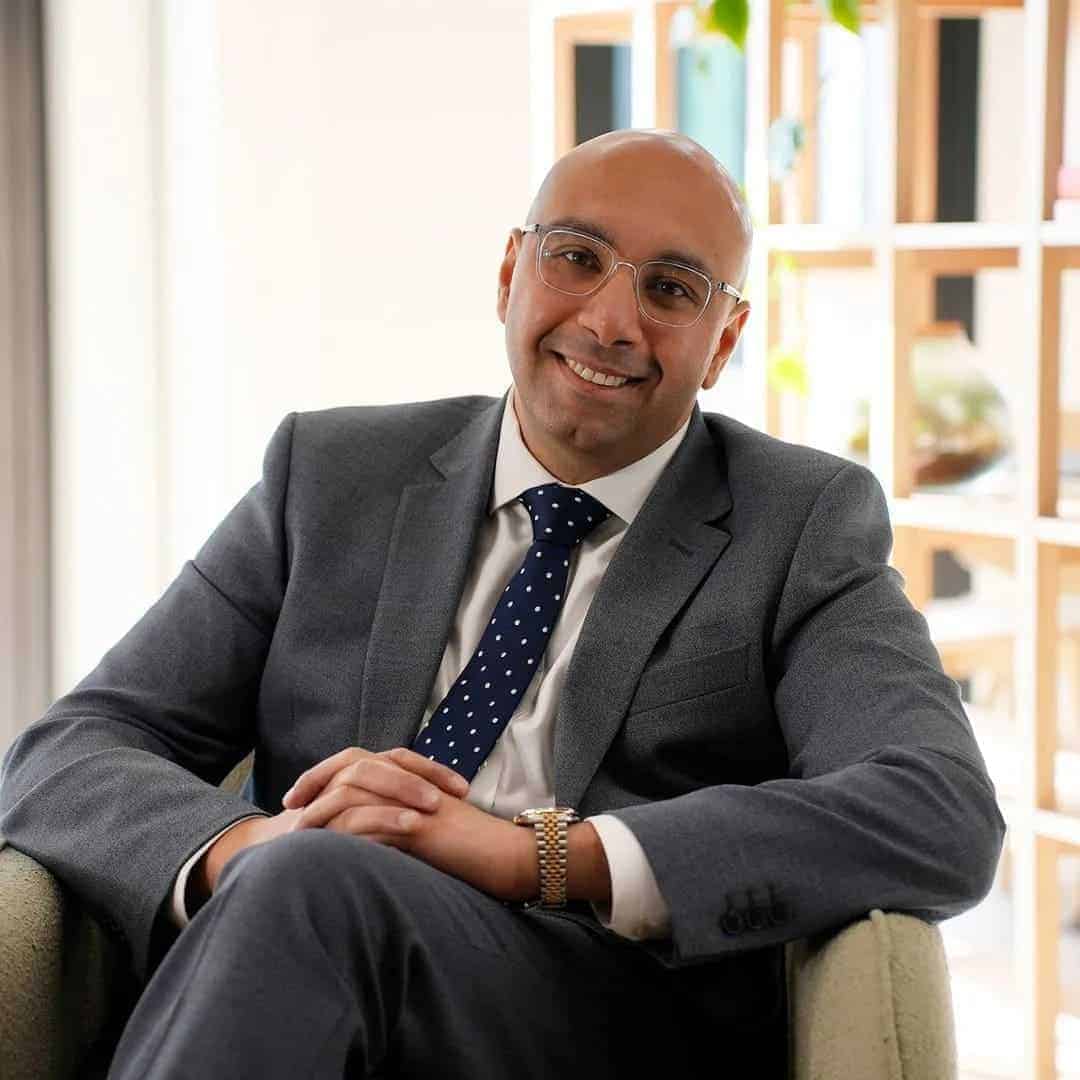
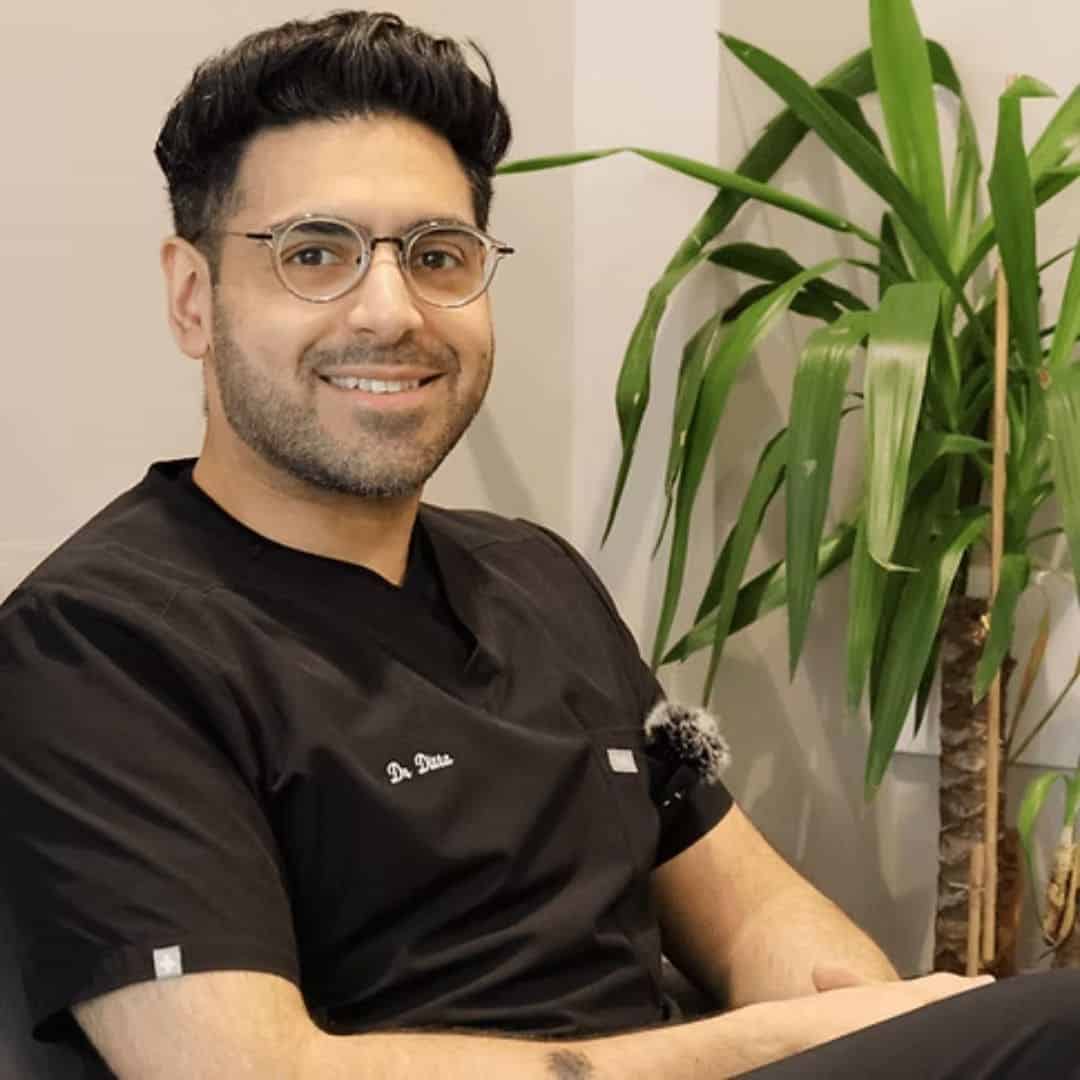
At Hair Transplant Newcastle, Dr Aziz Elgindi (GMC: 7450896) and Dr Mohammed Ditta (GMC: 7084372) use FUE and DHI for beard restoration, choosing between them based on what the specific beard pattern requires.
Beard Transplant in Newcastle
Beard transplants address one of three situations: patchy growth where the follicles simply are not present in certain areas, complete absence of beard growth, or restoration after scarring from acne or injury. All three are achievable with transplantation, though the graft counts and placement strategies differ.
Patchiness is the most common. The follicles are there around the patches but not within them. Transplanting into those gaps at the right angle and density fills the beard in a way that is consistent with the surrounding hair. The result, once growth is established, is a beard that looks like it was always there.
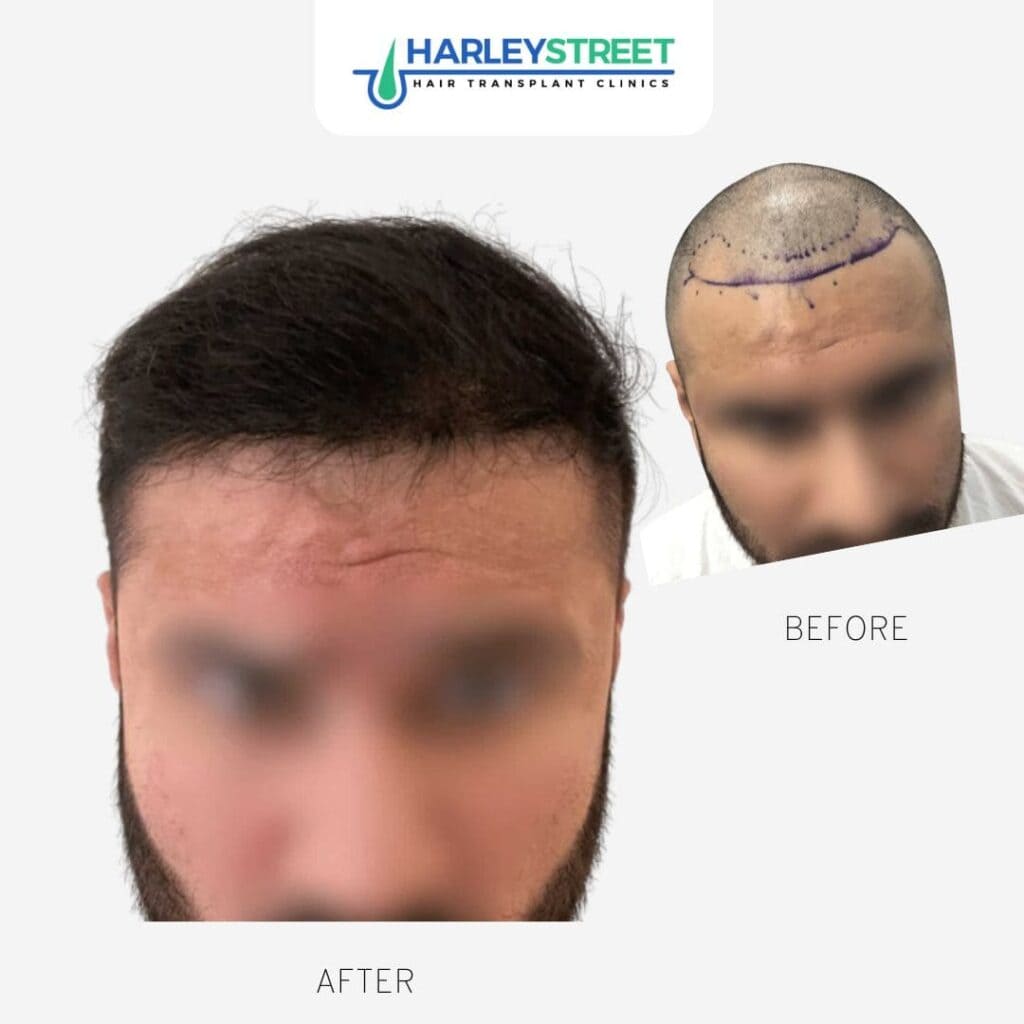
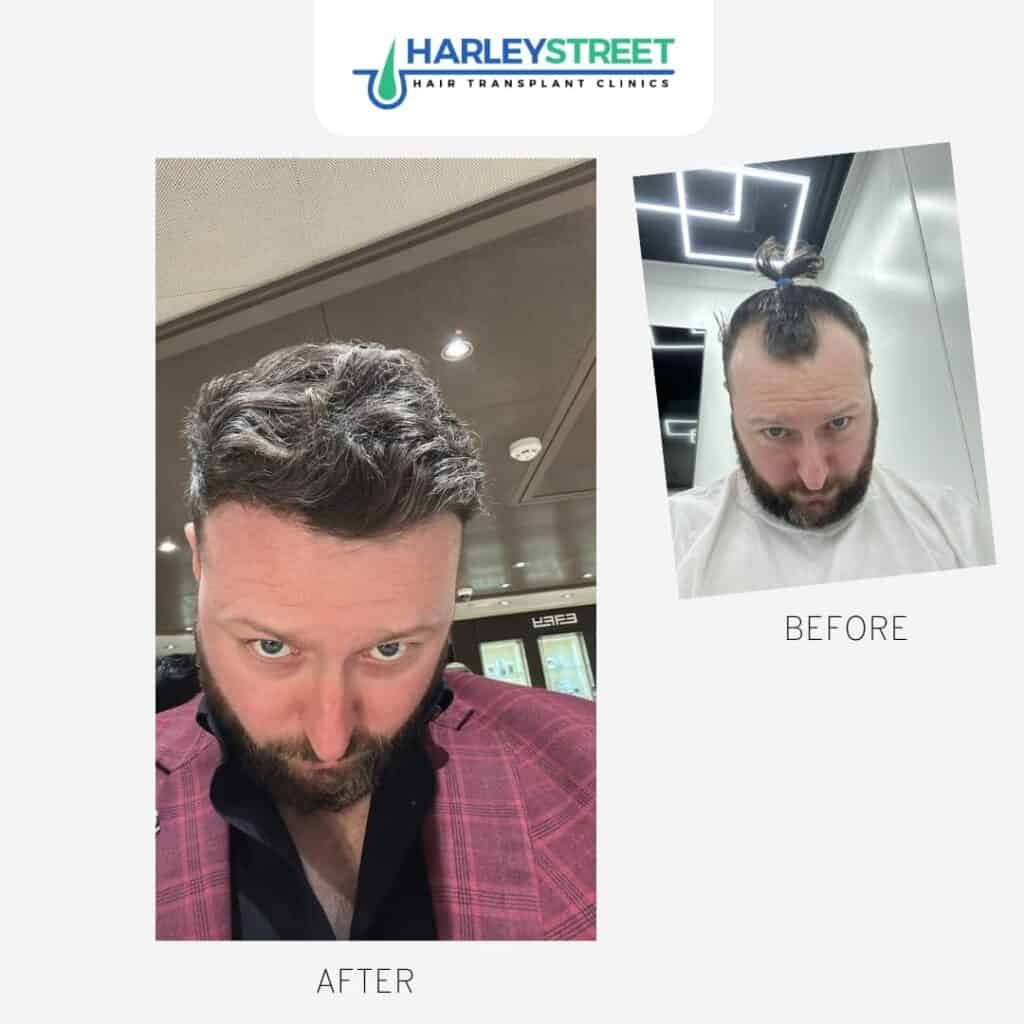
Before and After Beard Transplant Results in Newcastle
A selection of results from patients treated at our Newcastle clinic. All procedures were performed by our GMC-registered surgeons.

Which Technique Is Used for Beard Transplants?
Both FUE and DHI are used, and the choice matters.
DHI, using the Choi Implanter Pen, gives the surgeon very fine control over the angle and direction of each follicle placed. Facial hair grows at specific angles, typically flatter and more horizontal than scalp hair, and getting those angles right is what separates a natural-looking beard from one that looks transplanted. For this reason, DHI is often preferred for beard work at our Newcastle clinic.
FUE is also appropriate for some beard cases, particularly when covering a larger area or when the patient’s preference is for a more straightforward approach with the same proven outcome. Patients who also want to address a receding hairline or crown thinning on the scalp can discuss combined planning at consultation, though the two are usually staged as separate procedures. For those requiring a higher graft yield from the scalp session, FUT may also be discussed.
What the Procedure Involves
The session begins with local anaesthetic applied to both the donor area and the beard region. Once the anaesthetic has taken effect, extraction begins from the back of the scalp. Follicles are then placed into the beard area one by one, with the surgeon controlling angle, depth, and spacing throughout.
Most beard transplant sessions take between four and six hours depending on the number of grafts. The face heals quickly compared to the scalp, and most patients return to their normal routine within three to five days, with the beard region looking close to normal by the end of week one.
Typical graft counts for beard restoration:
- Patchy cheek areas: 800 to 1,500 grafts
- Full beard including cheeks, chin, and moustache: 1,500 to 2,500 grafts
- Scar coverage: Varies considerably by scar size and location
Recovery and Growth Timeline
The transplanted hairs shed within two to three weeks of the procedure. This is entirely normal. The follicles remain in place and new growth begins from around month three. By month six, the beard shape is clear. The full result, with final texture and density, is typically visible at ten to twelve months.
Patients sometimes contact the clinic worried when shedding occurs. It is worth knowing before the procedure that shedding is not failure. Every transplanted hair goes through this cycle before growing again.
See our FUE hair transplant or DHI hair transplant for more detail on the extraction techniques used. The same precision DHI technique is used for eyebrow transplants, where angle control is equally critical.
Where to Find Us
Hair Transplant Newcastle
Merchant House
30 Cloth Market
Newcastle
NE1 1EE
Our Newcastle city centre clinic is easy to reach from across the North East:
- Metro: Monument station is a 3-minute walk
- Train: Newcastle Central Station is 10 minutes on foot
- Car: A1(M) access, NCP car parks on Grainger Street and John Dobson Street nearby
Frequently Asked Questions
Transplanted scalp hair placed into the beard area initially grows at the rate and texture of scalp hair. Over time, and with regular trimming, it typically adapts to behave more like beard hair. Most patients find that after six to twelve months of regular shaping, the transplanted area is indistinguishable from native beard growth.
Grafts are taken from the back and sides of the scalp using FUE, leaving multiple small round healing points. Because beard transplants typically require fewer grafts than a full scalp restoration, the impact on the donor area is relatively small. Most patients cannot see any difference in their scalp hair density after a beard procedure.
Yes. The design is planned with your surgeon before the procedure begins. The placement pattern determines the shape, and your surgeon will work with your natural growth pattern and facial structure to plan a realistic and achievable result. Any design needs to be realistic in terms of the available donor supply.
The procedure is carried out under local anaesthetic, so there is no significant pain during the session. The face is sensitive and the initial anaesthetic injections can cause brief stinging, but once they take effect the procedure is comfortable. Post-procedure soreness in the beard area typically resolves within three to four days.
Yes, though the two procedures are usually performed separately. The donor supply needs to serve both purposes, and combining them in one session would extend an already long procedure significantly. Your surgeon will assess your donor density and discuss the sequencing of both procedures at consultation.
Cost depends on the number of grafts and the area being treated. Most beard transplants fall in the 800 to 2,500 graft range. See our hair transplant pricing for current pricing, and finance options are available if you want to spread the cost.
Patient Testimonials
Aside from achieving fantastic results, we believe that keeping in touch with our patients before, during and after their hair transplantation procedure is paramount – it helps to keep our patients feeling calm and in control. We’re always on hand to provide guidance, support and aftercare advice. Time and again, our patients tell us that this is what sets us apart from other clinics.
You can read our great reviews of FUE hair transplants over on Google and Trustpilot