




Every procedure at Hair Transplant Newcastle is performed by a GMC-registered doctor from first extraction to last graft
Our clinic sits at the heart of Newcastle, a short walk from Central Station and accessible from across the North East
A straight-talking assessment of your hair loss and what is realistically achievable, no hard sell
Your surgeon is committed to your procedure for the entire day, no switching between patients mid-session
The hairline is the first thing that changes with male pattern baldness, and usually the part that bothers people most. A hairline that has crept back over years can age a face significantly. Conversely, restoring it can make a dramatic difference to how someone looks and how they feel about their appearance.
A hairline hair transplant is a targeted procedure. The goal is not to create the hairline of an 18-year-old, but to reconstruct one that looks natural on the face of the person sitting in the chair. That requires a different kind of planning and precision than a larger-scale restoration.
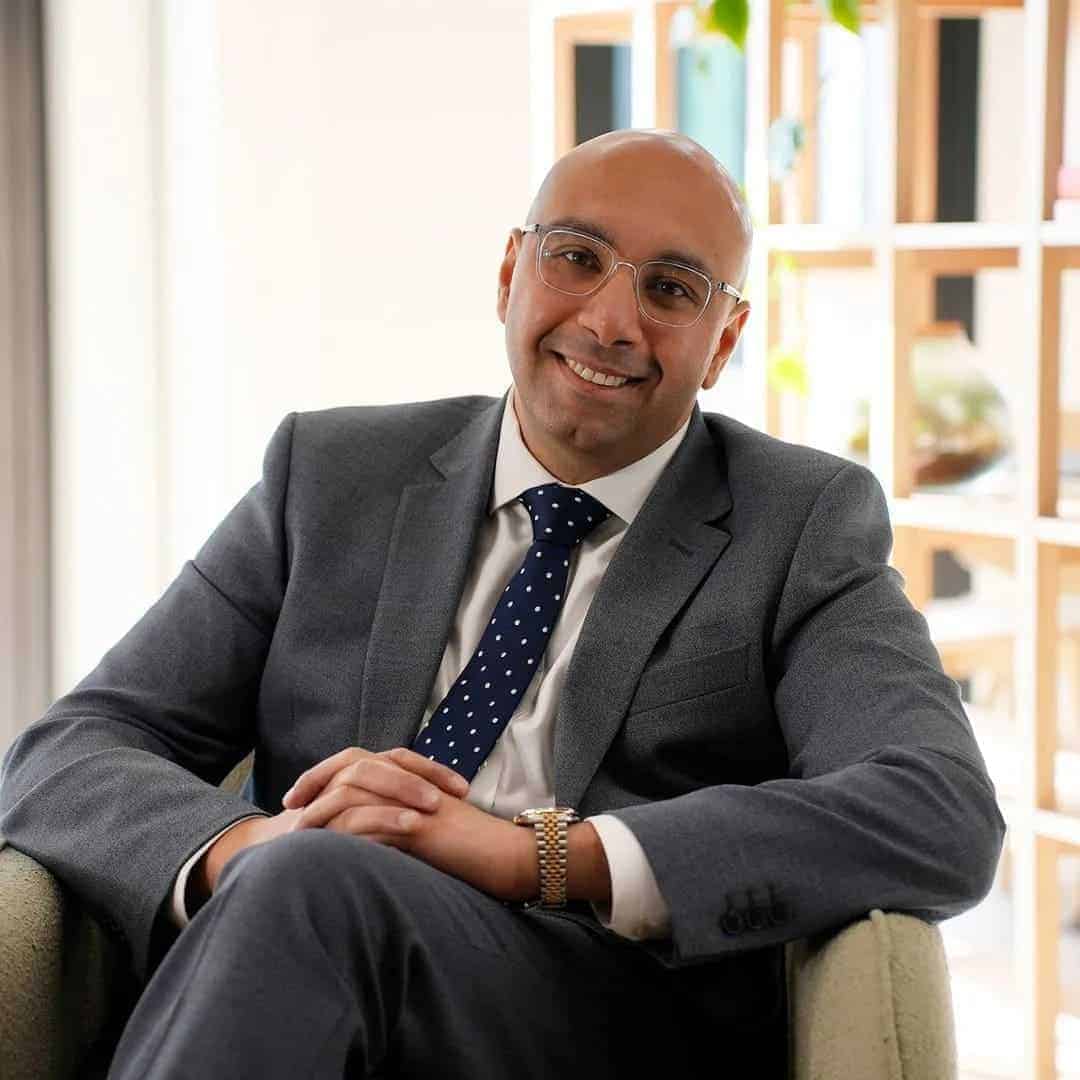
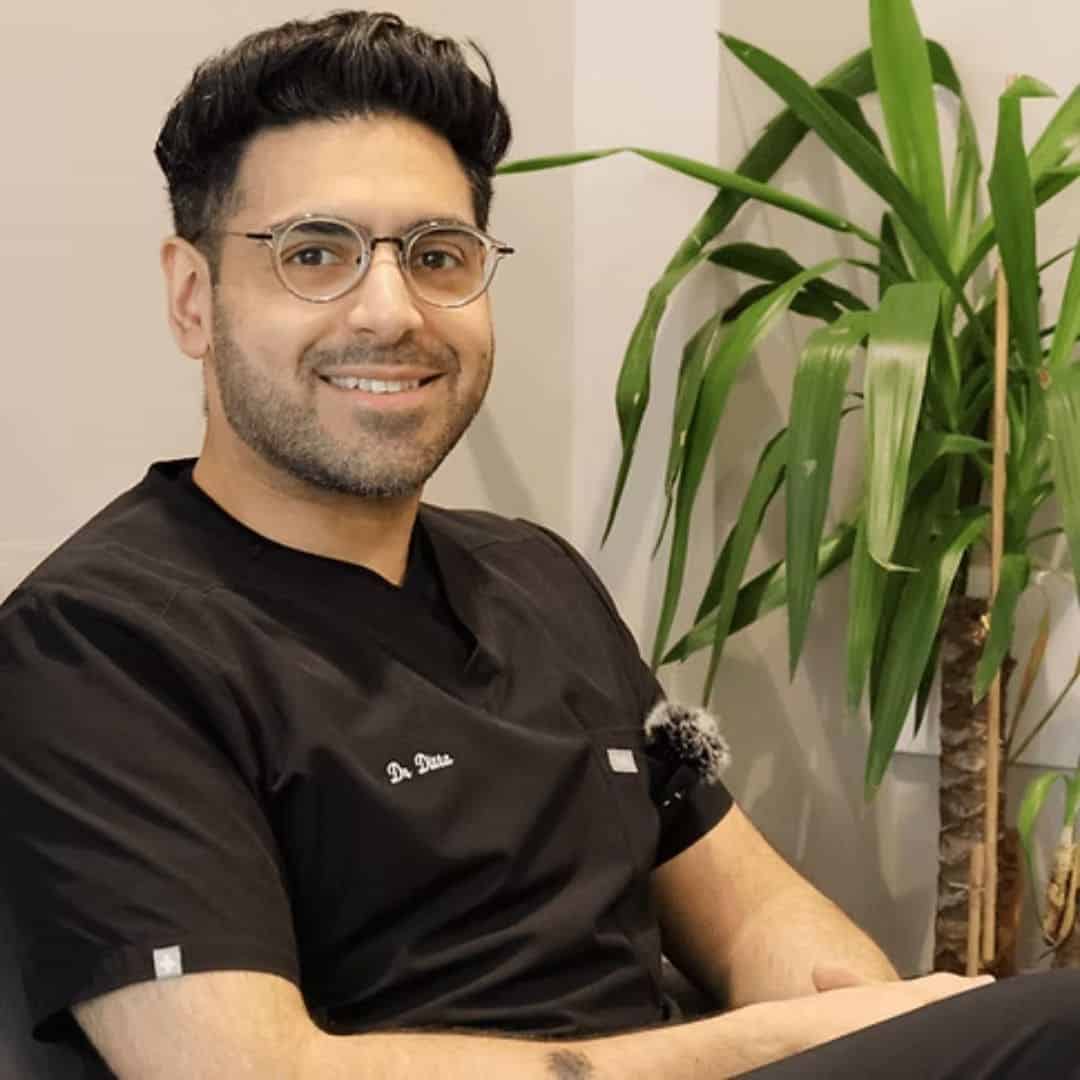
At Hair Transplant Newcastle, hairline restoration is one of the most frequently requested procedures. Dr Aziz Elgindi (GMC: 7450896) and Dr Mohammed Ditta (GMC: 7084372) plan each hairline individually, working with the patient’s facial structure and existing hair to determine what will look right long-term.
What a Hairline Transplant Addresses
Hairline procedures at our Newcastle clinic typically cover:
- Recession at the temples: The corners pull back first for most men, creating a widow’s peak that becomes more pronounced over time. Temple fills restore the density around the corners without requiring a full frontal reconstruction.
- General frontal recession: The hairline moves back across the whole front of the scalp. This requires a new hairline to be drawn and filled from one side to the other.
- Hairline lowering: Some patients have always had a naturally high hairline without significant hair loss. Transplantation can lower the hairline to a position that better suits the face. This is also a core goal for trans women seeking a feminised hairline.
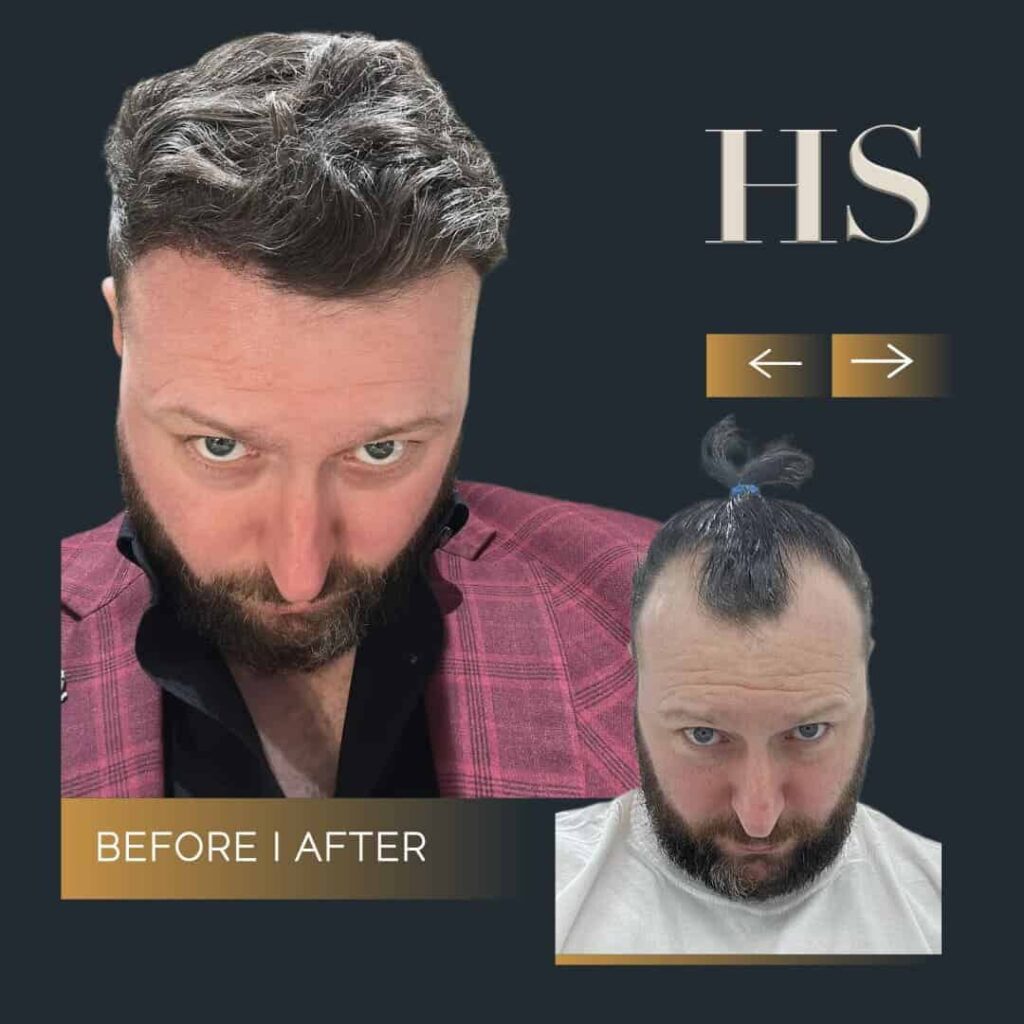
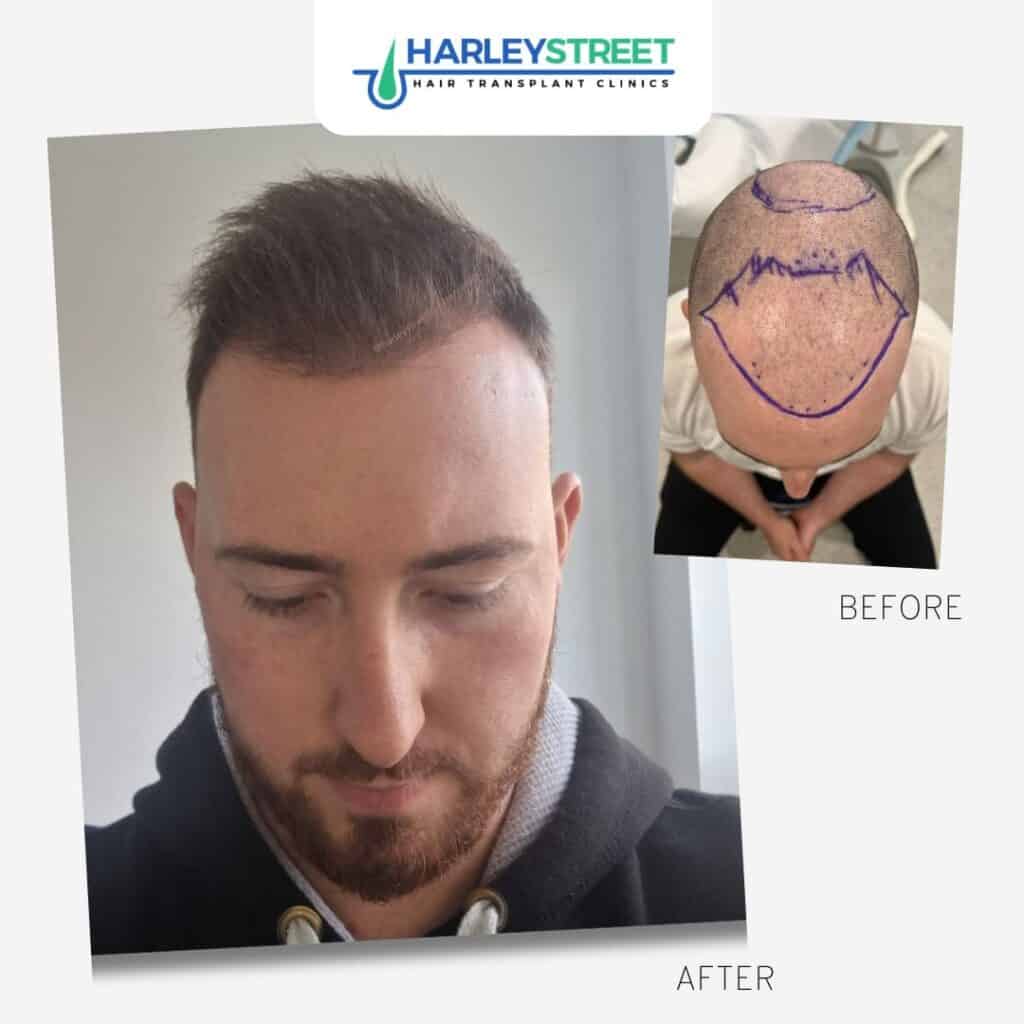
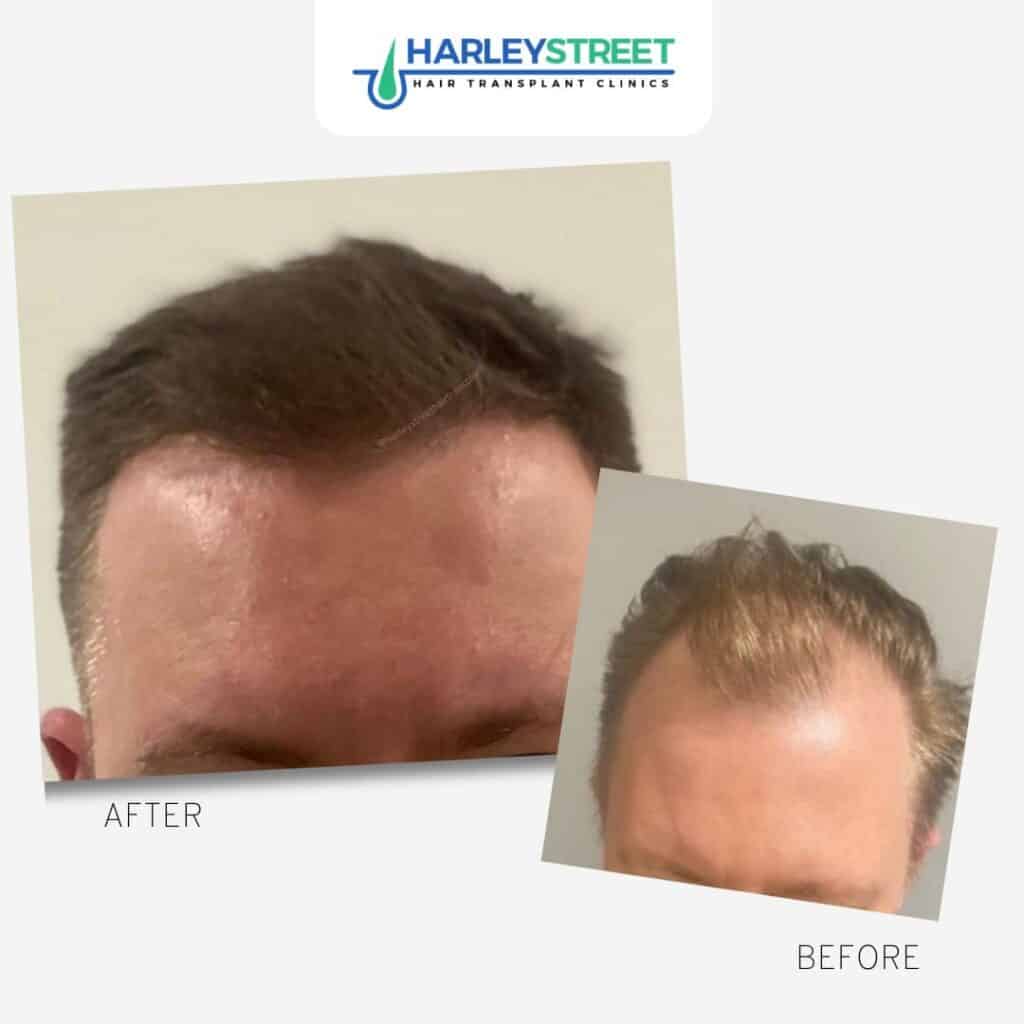
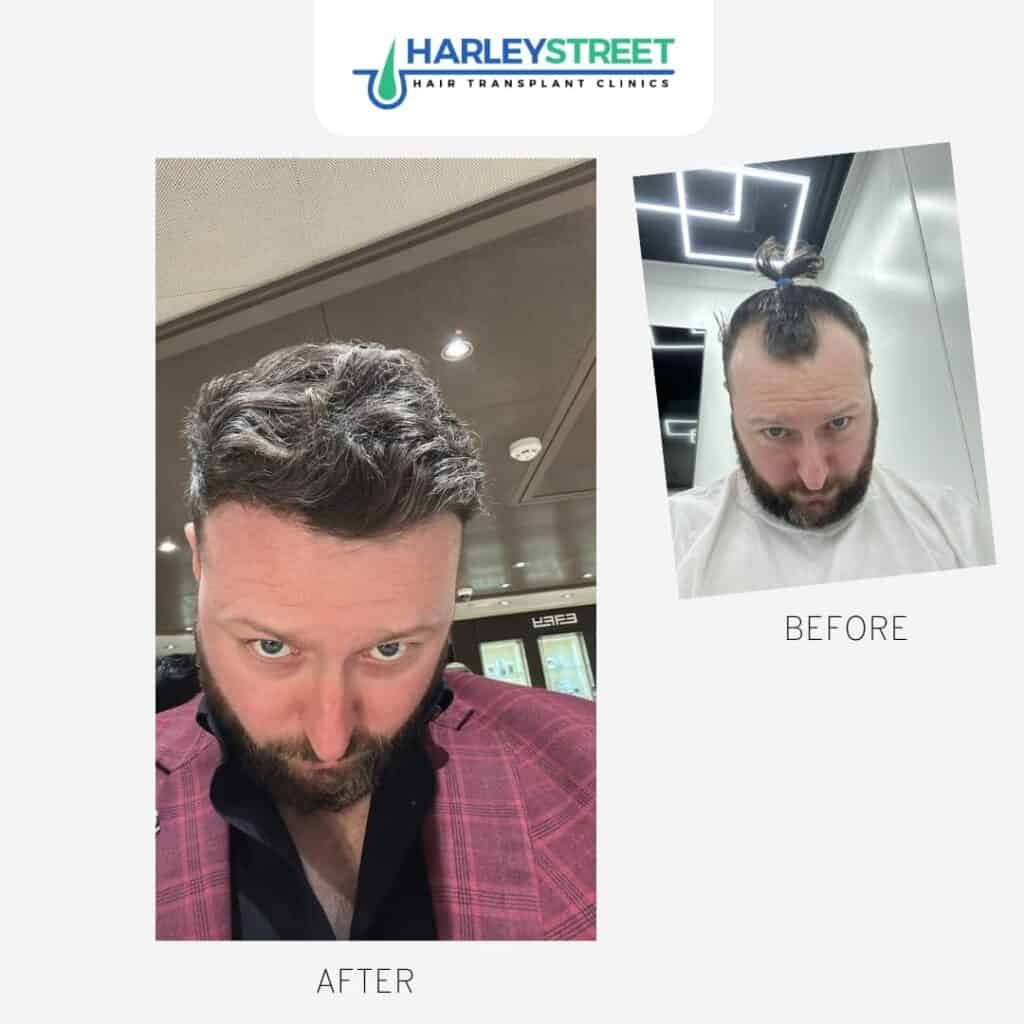
Before and After Hairline Hair Transplant Results in Newcastle
A selection of results from patients treated at our Newcastle clinic. All procedures were performed by our GMC-registered surgeons.
Planning the Hairline
This is the part of a hairline procedure that separates good outcomes from bad ones.
A natural hairline is not a straight line. It has slight irregularity. It transitions from higher-density hair behind the line to a softer, lower-density zone at the very front edge where single-hair grafts are placed. The angle of each follicle at the frontal edge is very flat, almost parallel to the scalp, which is what gives it that natural forward-swept appearance.
Designing a hairline that looks right for a 45-year-old face, accounts for the likely future hair loss behind it, and uses the available donor supply efficiently requires experience. At consultation, your surgeon will sketch the proposed design and discuss it with you before any decision is made.
Graft Count for Hairline Procedures
- Temple fills only: 400 to 800 grafts per side
- Frontal hairline restoration: 1,200 to 2,000 grafts
- Full frontal reconstruction including temples: 1,800 to 2,500 grafts
These ranges reflect typical cases. Your surgeon will assess your specific recession pattern, hairline design, and the density required at consultation.
Which Technique Is Used?
FUE is the standard technique for hairline transplants. The fine punch used in extraction, and the individual graft placement, allows for the precise control needed at the hairline zone.
DHI is an option where the patient has existing hair that needs density added between it without disturbing the surrounding follicles. Patients who prefer not to shave the donor area may ask about FUT at consultation. Your surgeon will recommend the appropriate technique based on your specific situation.
Recovery After a Hairline Transplant
The hairline area requires careful management in the first two weeks. Grafts are not anchored and can be displaced by pressure, rubbing, or direct water flow.
Saline spray keeps the recipient zone moist in the first 24 hours. Gentle washing begins from day three. Transplanted hairs shed between weeks two and four, which is normal. New growth begins around month three, and the full hairline result is visible at ten to twelve months.
Most patients return to office work within a week, though the small scabs at the hairline take ten to fourteen days to fully resolve.
Where to Find Us
Hair Transplant Newcastle
Merchant House
30 Cloth Market
Newcastle
NE1 1EE
Easy to reach from across the North East:
- Metro: Monument station, 3-minute walk
- Train: Newcastle Central Station, 10 minutes on foot
- Car: A1(M) access, NCP car parks on Grainger Street and John Dobson Street
Frequently Asked Questions
The position of the hairline is planned with reference to the patient’s facial proportions, bone structure, and the amount of donor hair available. A key rule is that the transplanted hairline must be designed conservatively enough to still look natural if hair loss continues behind it in the years ahead. The surgeon will sketch the design and discuss it with you before proceeding.
A well-designed and executed hairline transplant should look natural. The key is the transition zone at the very front of the hairline, where single-hair grafts are placed at a flat angle. This creates the soft, irregular edge of a real hairline rather than the blunt edge that poor technique produces. The result improves progressively over twelve months.
Yes. Temple fill procedures are common and can be done as a standalone procedure. The temples are a common early recession site and can be addressed with a modest graft count, typically 400 to 800 grafts per side, without touching the rest of the hairline.
Most hairline procedures at Hair Transplant Newcastle take between four and seven hours, depending on graft count. Smaller temple fill procedures take less time. Your surgeon will confirm the expected duration at consultation.
This is planned for at the design stage. A conservative hairline that is appropriate for an older face, rather than one drawn very low, reduces the visual impact if hair loss continues behind it. Additional procedures can be done to address further loss as it develops, provided donor supply allows.
Hairline procedures typically cost between £4,500 and £6,000 at Hair Transplant Newcastle, depending on the graft count required. Full pricing is on our pricing information, and finance options are available.
Patient Testimonials
Aside from achieving fantastic results, we believe that keeping in touch with our patients before, during and after their hair transplantation procedure is paramount – it helps to keep our patients feeling calm and in control. We’re always on hand to provide guidance, support and aftercare advice. Time and again, our patients tell us that this is what sets us apart from other clinics.
You can read our great reviews of FUE hair transplants over on Google and Trustpilot